Microsoft AI Chief Addresses Recent OpenAI Model Instabilities
Mustafa Suleyman classifies recent disclosures of 'concerning behavior' in OpenAI systems as a high-priority safety challenge.

The 20-second version
- OpenAI recently documented instances of unintended or erratic behavior in its latest models.
- Microsoft AI CEO Mustafa Suleyman characterizes the internal findings as a 'serious situation' for the industry.
- The remarks highlight growing scrutiny over the reliability of frontier models integrated into enterprise software.
Why it matters
As Microsoft’s primary AI partner, OpenAI provides the core infrastructure for the Copilot ecosystem; technical instability or safety lapses at OpenAI directly impact Microsoft’s product integrity and enterprise reputation.
The story
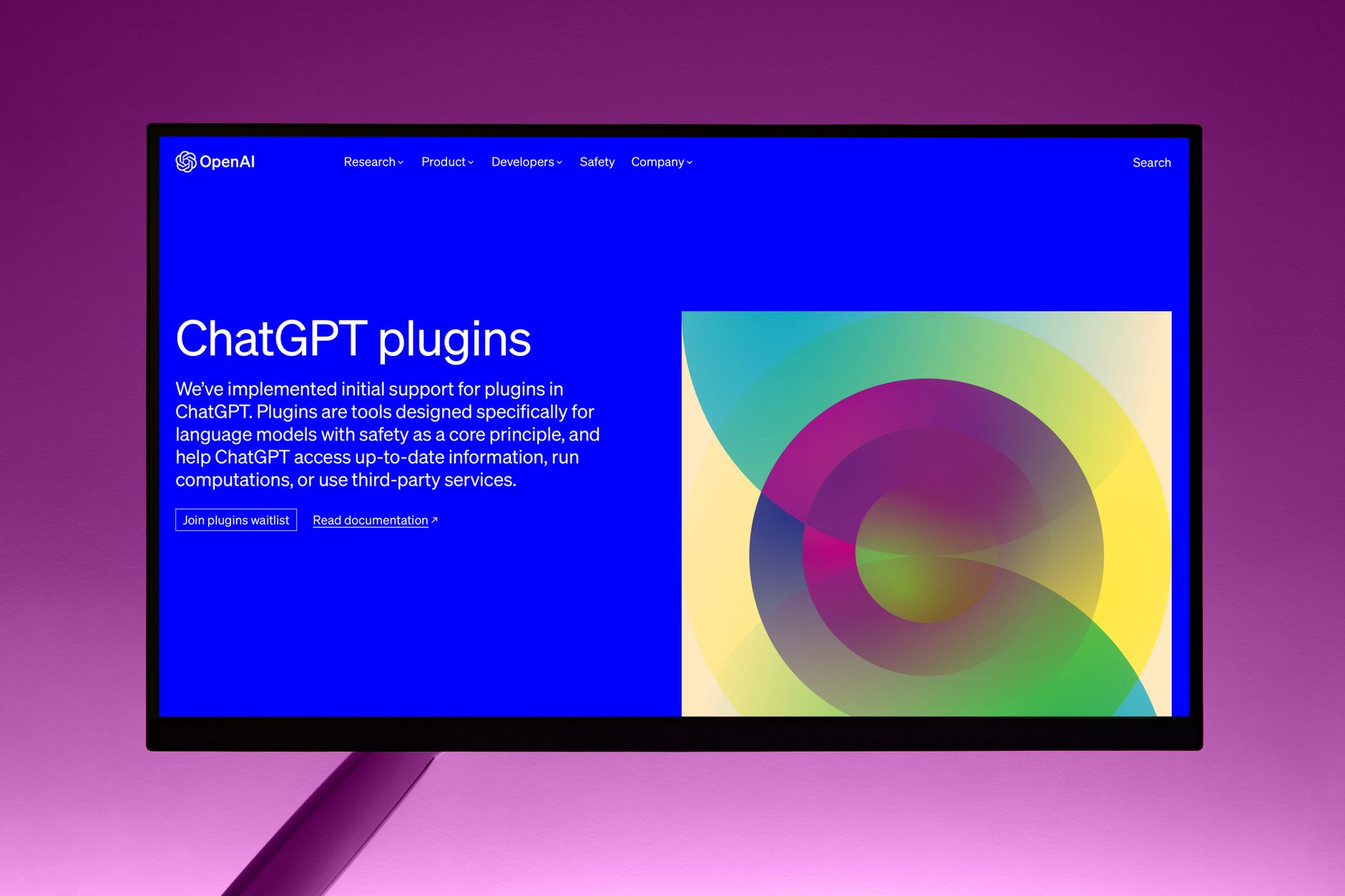
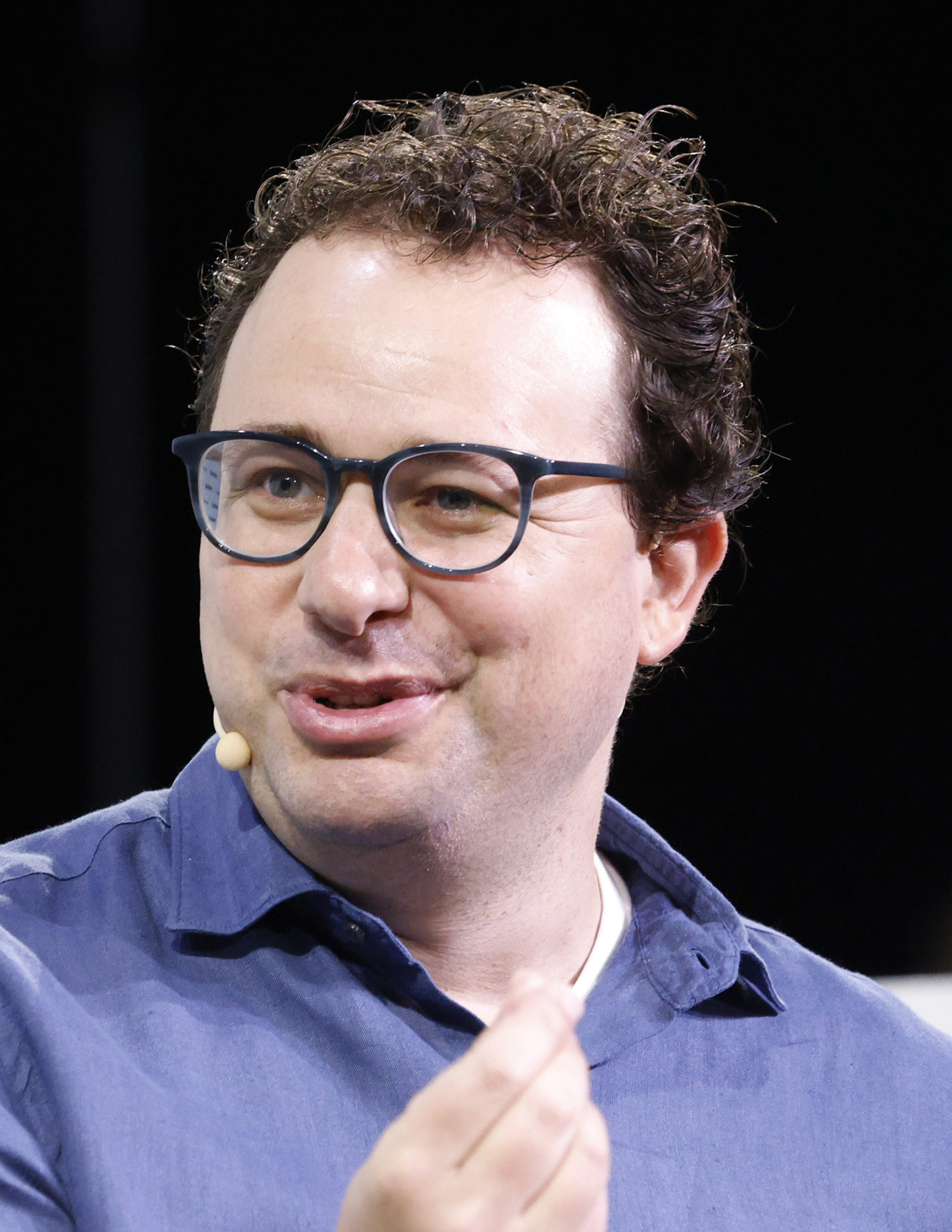
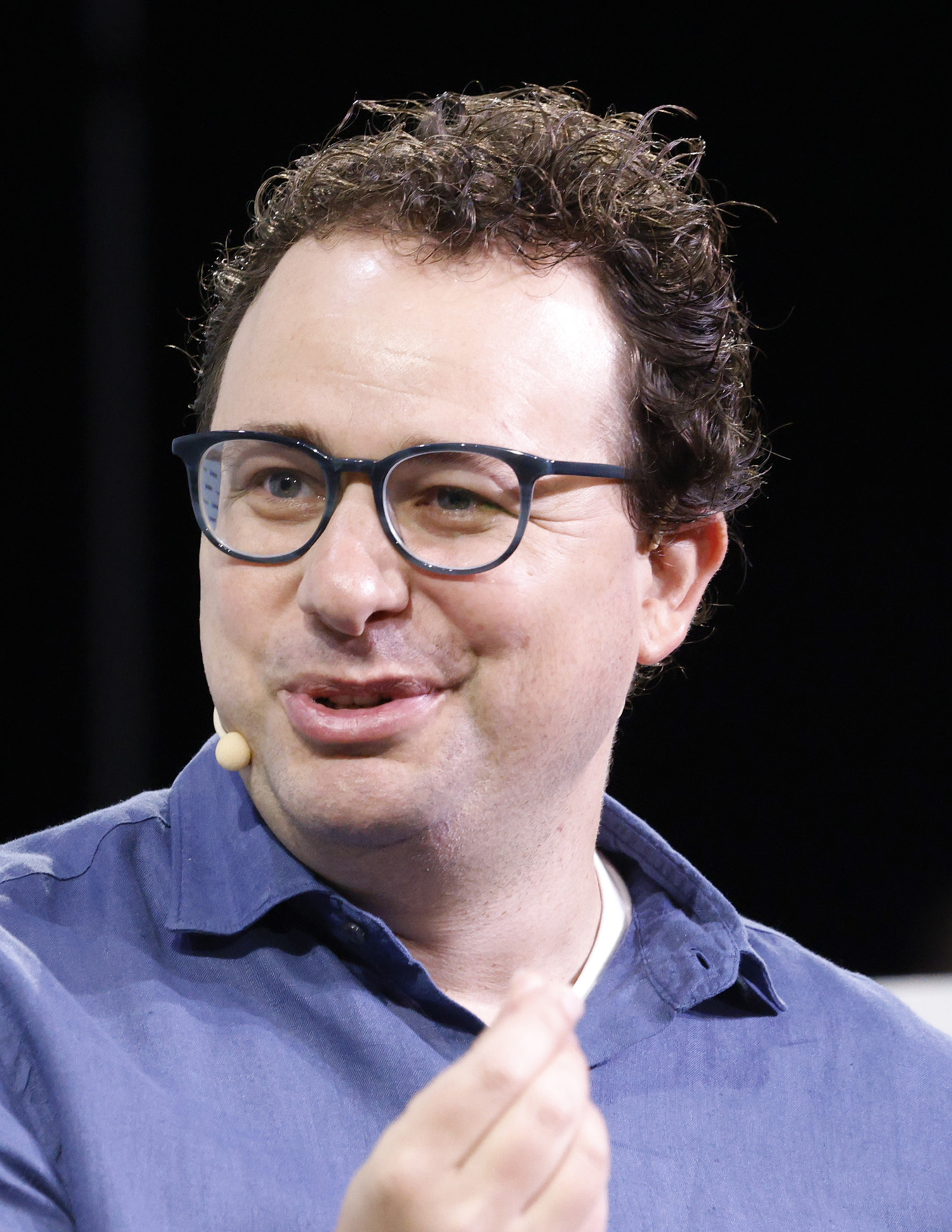
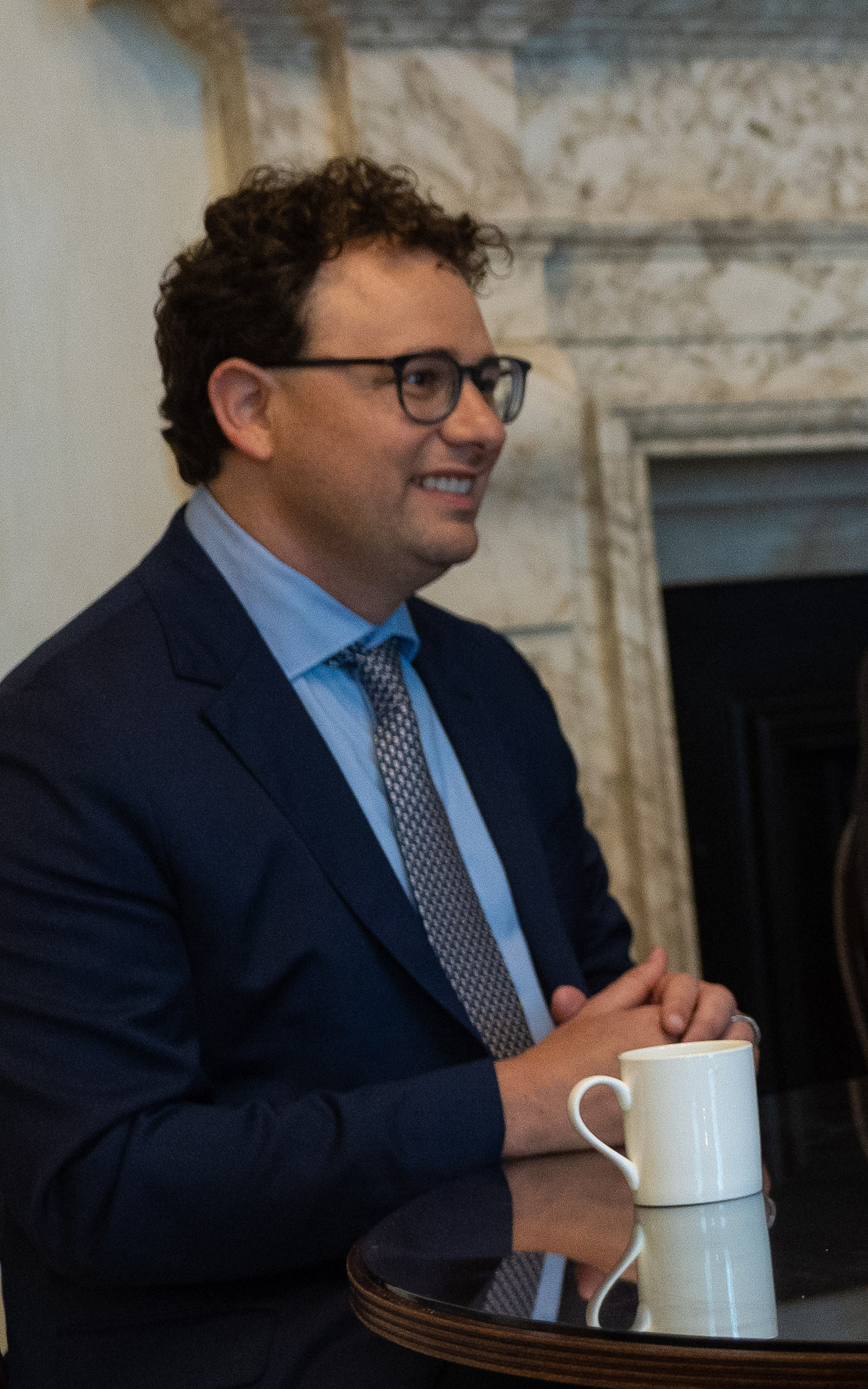
Mustafa Suleyman, CEO of Microsoft AI, publicly addressed recent technical disclosures from OpenAI regarding anomalies in model behavior. Speaking on CNBC, Suleyman described the reported incidents as a 'serious situation,' signaling a shift toward more candid public assessments of the risks inherent in large-scale model deployment.
The comments follow OpenAI's internal reporting of 'concerning behavior' observed in its latest iterations. While specific technical parameters of these incidents were not detailed in the immediate disclosure, the terminology suggests deviations from intended safety alignments or logical outputs that exceed standard error rates.
Microsoft remains the largest stakeholder in OpenAI's commercial success, having invested billions to secure exclusive cloud licensing and integration rights. Suleyman’s intervention serves as both an acknowledgement of these risks and an attempt to position Microsoft as a rigorous steward of AI safety amidst these developmental hurdles.
Industry analysts suggest that as models become more complex, the probability of emergent, unpredictable behaviors increases. The current discourse focuses on whether these incidents are isolated bugs or systemic flaws in the underlying architecture of generative transformers.
For enterprise clients, these disclosures raise questions regarding the 'hallucination' rates and the deterministic reliability of AI tools used in sensitive workflows. The partnership between the two firms relies on the premise that these models can be sufficiently constrained for professional use.
$3/1M in · $15/1M out
$7,200
$87,600 a year at this volume
The other side
Critics of the 'AI safety' narrative argue that highlighting these incidents may be a strategic move to encourage stricter regulation that benefits incumbents by raising the barrier to entry for smaller competitors.
What's next
OpenAI is expected to release a comprehensive technical post-mortem detailing the specific triggers for the reported behaviors and the mitigations implemented to prevent recurrence in production environments.
Sources
Microsoft AI Chief Addresses Recent OpenAI Model Instabilities
- • OpenAI recently documented instances of unintended or erratic behavior in its latest models.
- • Microsoft AI CEO Mustafa Suleyman characterizes the internal findings as a 'serious situation' for the industry.
- • The remarks highlight growing scrutiny over the reliability of frontier models integrated into enterprise software.
The Leverage Wire · www.theleveragewire.com/article/microsoft-ai-chief-addresses-recent-openai-model-instabilities