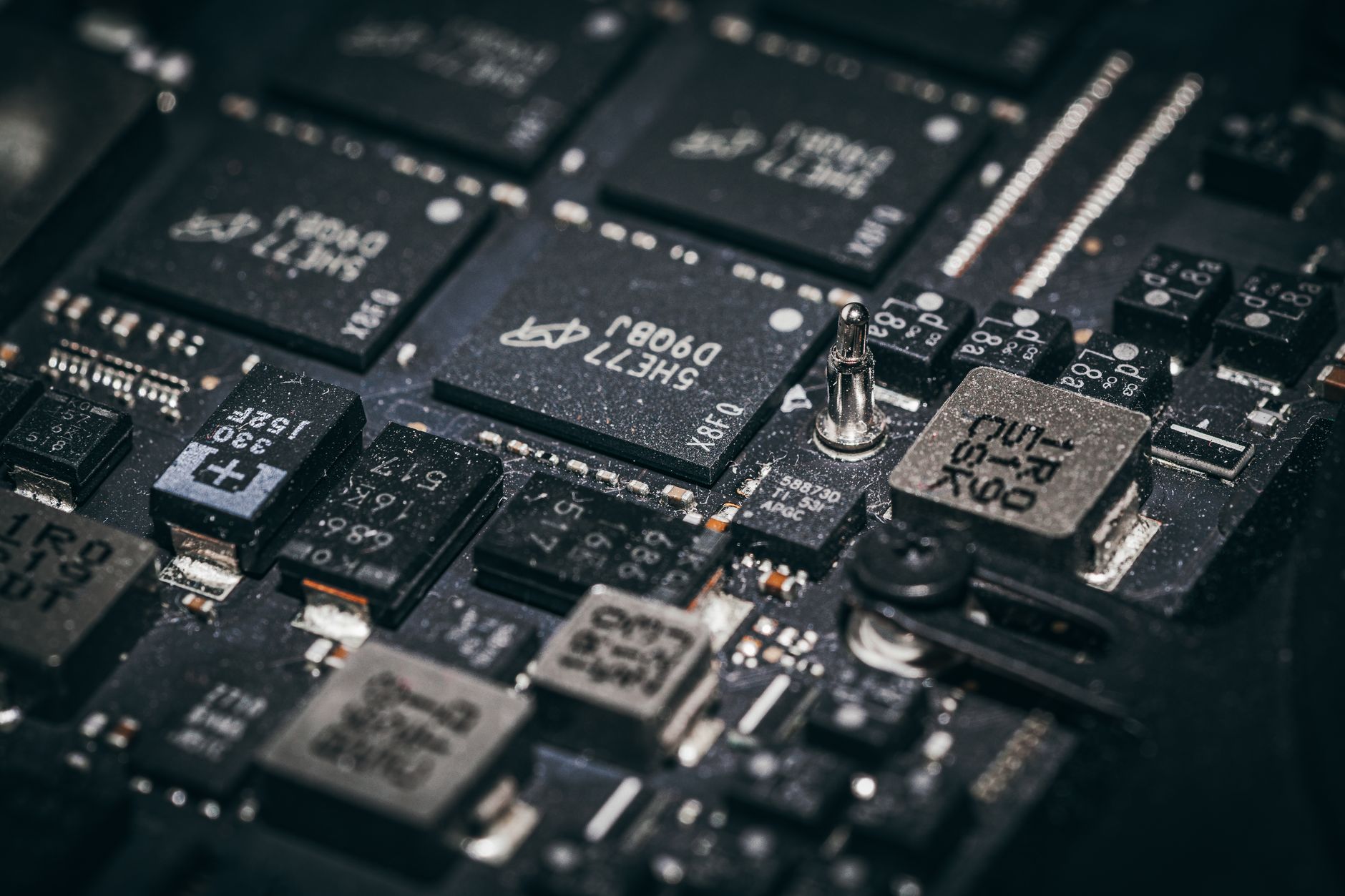
Nvidia Expands Share Repurchase Program as Cash Reserves Grow
The chipmaker increases capital return to shareholders following continued dominance in the AI hardware sector.
Listen to this article
The 20-second version
- Nvidia shares traded higher following the announcement of a larger buyback authorization.
- The move signals management confidence in sustained free cash flow generated by H100 and Blackwell chip demand.
- Capital allocation shift comes as the company maintains high margins despite increased competition.
Why it matters
As the primary beneficiary of the generative AI infrastructure build-out, Nvidia's decision to buy back shares indicates it has sufficient liquidity to fund R&D while returning excess capital to investors, a signal often interpreted as a lack of immediate large-scale acquisition targets or a belief that shares remain undervalued.
The story
Nvidia Corporation announced an expansion of its existing share repurchase program, a move that triggered an immediate positive response in equity markets. The decision to increase the buyback authorization follows a period of unprecedented revenue growth driven by the global transition toward accelerated computing and artificial intelligence.
The chipmaker has seen its cash position swell significantly over the last several fiscal quarters. By committing more capital to share retirements, Nvidia aims to reduce its total shares outstanding, which typically has the effect of increasing earnings per share (EPS) and supporting the stock price floor during periods of market volatility.
Market analysts note that this capital allocation strategy is consistent with other large-cap technology firms that have matured into highly profitable entities. While Nvidia continues to invest heavily in the development of its next-generation Blackwell architecture, the scale of its current operations produces surplus cash that exceeds its immediate capital expenditure requirements.
The timing of the announcement is significant as it occurs amid broader market debates regarding the long-term sustainability of AI-related infrastructure spending. By authorizing more buybacks, Nvidia is providing a concrete signal of internal confidence regarding its future revenue pipeline and market share retention.
Financial statements show that Nvidia's operating margins have reached historic highs for the semiconductor industry. This profitability provides the company with the flexibility to execute large-scale buybacks without compromising its balance sheet or its ability to respond to competitive pressures from rivals like AMD or specialized cloud-service provider silicon.
The other side
Some investors argue that large-scale buybacks at record-high valuations may not be the most efficient use of capital, suggesting that funds could be better spent on aggressive M&A or further diversifying the product line to mitigate reliance on the data center segment.
What's next
Investors will monitor the pace of the repurchases in upcoming quarterly filings to determine if the company is buying aggressively at current prices or waiting for technical pullbacks. The next major catalyst remains the production ramp-up of the Blackwell GPU series.
Sources
- Investopedia Personal FinanceNvidia Stock Rises as Company Boosts Buyback Plan - Investopedia
Nvidia Expands Share Repurchase Program as Cash Reserves Grow
- • Nvidia shares traded higher following the announcement of a larger buyback authorization.
- • The move signals management confidence in sustained free cash flow generated by H100 and Blackwell chip demand.
- • Capital allocation shift comes as the company maintains high margins despite increased competition.
The Leverage Wire · www.theleveragewire.com/article/nvidia-expands-share-repurchase-program-as-cash-reserves-grow