Tesla Semi Rollout Confronts Heavy-Duty Charging Deficit
A 500-mile operating range meets commercial grid and corridor infrastructure constraints.
Listen to this article
The 20-second version
- Tesla is deploying its Class 8 Semi featuring a reported 500-mile range.
- Widespread commercial adoption remains constrained by inadequate heavy-vehicle charging networks.
- Public data on corridor-level high-power charging installations remains thin.
Why it matters
Heavy-duty fleet electrification hinges on grid interconnect capacity and specialized megawatt-level hardware rather than vehicle range alone.
The story
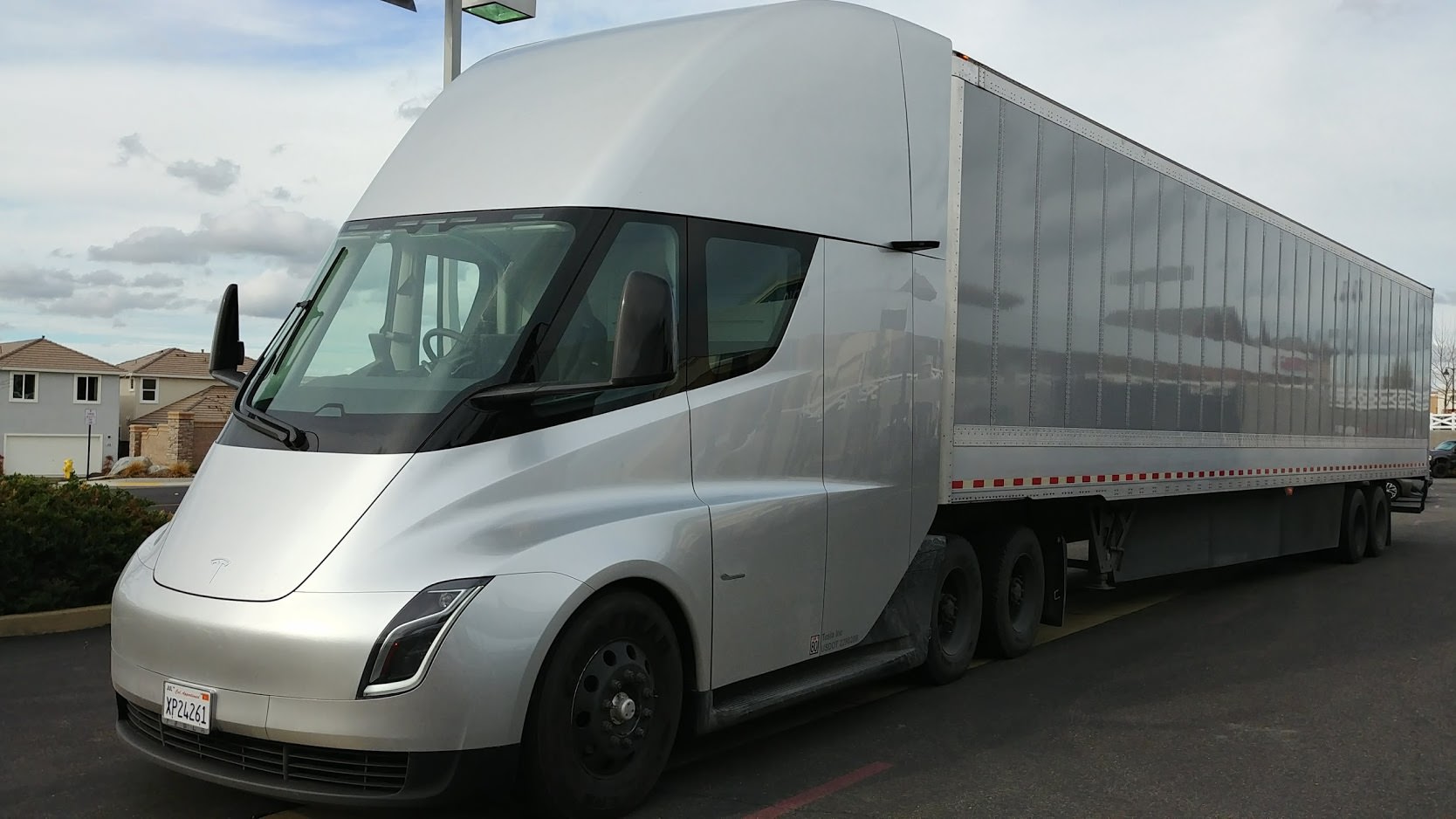
Tesla is advancing deployment of its battery-electric Semi, offering an operating range of up to 500 miles. While the vehicle specification targets long-haul regional routes, the broader deployment faces structural limitations tied to heavy-vehicle charging infrastructure.
Unlike light-duty passenger vehicles that rely on existing public fast-charging networks, Class 8 electric trucks require high-megawatt power supplies to replenish large-capacity battery packs without idling drivers for extended operational periods. These specialized high-output commercial chargers remain scarce along major freight corridors.
Because corridor-level charging points are largely absent, early deployments of electric heavy-duty vehicles have predominantly been restricted to localized, return-to-base operations. Fleets operate within fixed radiuses where carriers can install proprietary chargers directly at their own terminal yards.
The available data does not detail current installation timelines or capital commitments for universal highway freight chargers. Until high-output public infrastructure expands, the practical utility of long-range commercial haulers will remain bounded by local grid capacity and depot-based charging installations.
$3/1M in · $15/1M out
$7,200
$87,600 a year at this volume
The other side
Fleet operators running strictly predictable, closed-loop regional routes can fulfill delivery requirements exclusively via private depot infrastructure, bypassing public charging deficits entirely.
What's next
Adoption rates will depend on regional utility approvals for commercial multi-megawatt connections and the pace of dedicated charging corridor construction.
Sources
Tesla Semi Rollout Confronts Heavy-Duty Charging Deficit
- • Tesla is deploying its Class 8 Semi featuring a reported 500-mile range.
- • Widespread commercial adoption remains constrained by inadequate heavy-vehicle charging networks.
- • Public data on corridor-level high-power charging installations remains thin.
The Leverage Wire · www.theleveragewire.com/article/tesla-semi-rollout-confronts-heavy-duty-charging-deficit